The evolution of gambling through the ages a historical perspective
The Origins of Gambling
The roots of gambling can be traced back to ancient civilizations, where games of chance were integral to social and cultural practices. In ancient China, evidence of gambling dates back to as early as 2300 BC, with rudimentary games involving dice made from bones. These early forms of gambling not only provided entertainment but were also intertwined with rituals and celebrations, reflecting the human tendency to seek fortune and fate. Notably, the expansive world of gambling can be explored further through various resources, including this insightful link about recent events: https://tribuneonlineng.com/kaizer-chiefs-pirates-nedbank-cup-2025/.
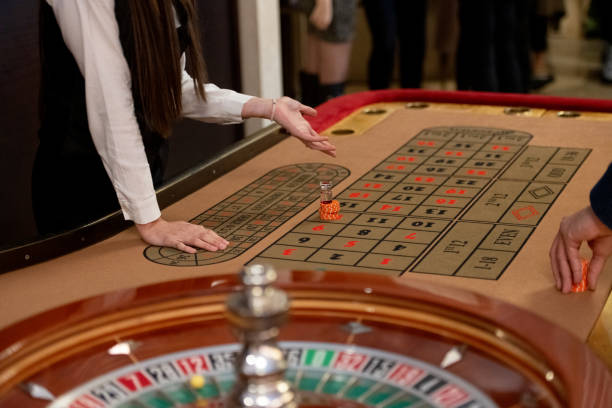
Similarly, ancient Rome embraced gambling through various forms, including dice games and betting on gladiatorial contests. Romans were known for their passion for games of chance, and gambling was a common pastime across all social strata. These early instances laid the groundwork for the various forms of gambling that would evolve over the centuries.
The Middle Ages and the Rise of Gambling Establishments
During the Middle Ages, gambling underwent a transformation, particularly in Europe. The establishment of licensed gambling houses emerged in response to the growing popularity of games such as cards and dice. This period saw the creation of the first documented betting houses in Italy, which later influenced other European nations. These establishments began to formalize gambling, providing a structured environment for wagers, which attracted both nobility and commoners alike.
The Middle Ages also saw the introduction of lotteries, which were used as a means to fund public projects and charitable causes. These early lotteries featured simple mechanics, where participants would buy tickets for a chance to win prizes. The combination of gambling and social benefit illustrated a significant cultural acceptance of games of chance during this era.
The Enlightenment and Regulation of Gambling
As the Enlightenment ushered in new ways of thinking, gambling began to be viewed through a more critical lens. The 18th century witnessed a surge in popularity for games like baccarat and roulette, particularly in France. However, this boom led to concerns about addiction and social decline, prompting governments to intervene with regulations. By the mid-1800s, many countries had established laws governing gambling, aiming to curb its excesses while still allowing for entertainment.
This era also marked the rise of horse racing as a prominent betting sport, contributing to the development of a more organized gambling culture. Racecourses became social hubs where individuals engaged in wagers, further solidifying the relationship between gambling and community. The balance between enjoyment and regulation became a critical theme as societies navigated the complexities of this age-old pastime.
The Modern Era: Technology and Globalization
The 20th century marked a significant turning point for gambling, largely driven by technological advancements and globalization. The introduction of casinos in the United States, particularly in Las Vegas, transformed the landscape of gambling. These establishments offered not only traditional games but also a complete entertainment experience, attracting millions of visitors annually and reshaping perceptions of gambling.
In the latter part of the century, the advent of the internet revolutionized gambling once more. Online casinos and sports betting platforms emerged, providing access to a global audience. This shift democratized gambling, allowing individuals to partake from the comfort of their homes. Regulatory frameworks began adapting to this new reality, resulting in a complex landscape of online gaming that varies from country to country.

Contemporary Gambling and its Future
Today, gambling continues to evolve at a rapid pace, influenced by technology, social attitudes, and regulatory frameworks. The rise of mobile gaming applications has made gambling even more accessible, allowing users to engage in betting on the go. Meanwhile, emerging technologies like virtual reality are beginning to introduce immersive experiences that could redefine what gambling looks like in the future.
Furthermore, discussions around responsible gambling and addiction have gained prominence, reflecting a growing awareness of the potential risks associated with this pastime. As the industry adapts to these challenges, the blend of tradition and innovation ensures that gambling remains a significant aspect of modern society.