Understanding the psychology behind high-stakes gambling decisions
The Thrill of Risk and Reward
High-stakes gambling often attracts individuals with a penchant for risk-taking. The adrenaline rush that accompanies placing significant bets can be exhilarating, pushing players to pursue that fleeting moment of triumph. This thrill comes from the anticipation of winning large amounts of money, which can lead to a temporary escape from reality. Gamblers often find themselves chasing the highs of past wins, seeking that euphoric experience once again, and for those interested in exploring this world, visiting the Spinlander official site can be a great starting point.

This psychological aspect is rooted in what researchers call “reward sensitivity.” Many high-stakes gamblers possess a heightened response to potential rewards, making them more likely to engage in risky behavior. This dynamic can create a cycle where the gambler continually seeks out larger stakes, driven by the need for excitement and the hope of financial gain.
Cognitive biases significantly influence high-stakes gambling decisions. One prevalent bias is the “illusion of control,” where gamblers believe they can influence the outcome of games of chance. This misconception often leads players to make irrational decisions, such as betting more than they can afford in the belief that they can sway the odds in their favor.
Another critical bias is the “sunk cost fallacy.” Gamblers may continue to invest in a losing game, convinced that their prior losses justify further betting. This mindset not only affects their financial status but can also lead to increased stress and anxiety, further clouding judgment and decision-making during gambling sessions.
Social dynamics play a vital role in high-stakes gambling decisions. Peer pressure and the desire for social acceptance can drive individuals to partake in gambling activities they might otherwise avoid. In environments like casinos, where the atmosphere is filled with excitement and camaraderie, individuals may feel compelled to take risks to fit in.
Moreover, the presence of experienced gamblers can lead newcomers to emulate their behaviors. This social learning can perpetuate high-stakes gambling as novices, in an effort to prove themselves, may take larger risks than they would typically consider, often without fully understanding the implications of their choices.
Emotions play a crucial role in how gamblers make decisions, especially in high-stakes situations. The emotional rollercoaster of gambling can lead to impulsive choices that aren’t based on rational thinking. For instance, feelings of excitement or even desperation can prompt a gambler to increase their bets in hopes of recovering losses or capitalizing on a winning streak.
Furthermore, the emotional aftermath of significant wins or losses can shape future gambling behavior. A big win might instill overconfidence, leading to riskier bets in the future, while a loss can induce feelings of frustration and sadness, prompting individuals to gamble more in an attempt to recoup their losses. Understanding these emotional triggers is essential for anyone involved in high-stakes gambling.
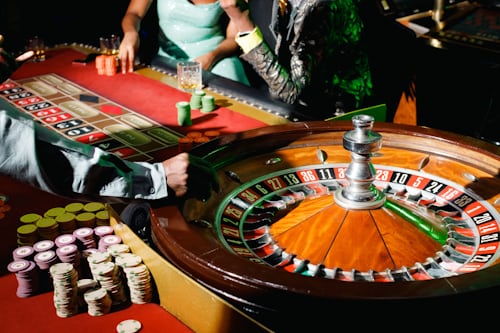
SpinLander recognizes the complexities of gambling psychology and is committed to fostering a safe gaming environment. With a vast selection of over 15,000 games, including slots, table games, and live dealer experiences, it caters to players seeking excitement while prioritizing responsible gaming practices. The platform provides tools designed to help users manage their gambling habits effectively.
In addition to offering an enticing welcome bonus package and 24/7 customer support, SpinLander emphasizes player safety through robust security measures. The platform aims to provide not just an exciting gambling experience but also a space where players can enjoy their activities responsibly, ensuring a balanced approach to high-stakes gaming decisions.
“`